Adult workforce training
Ideal Institute of Technology
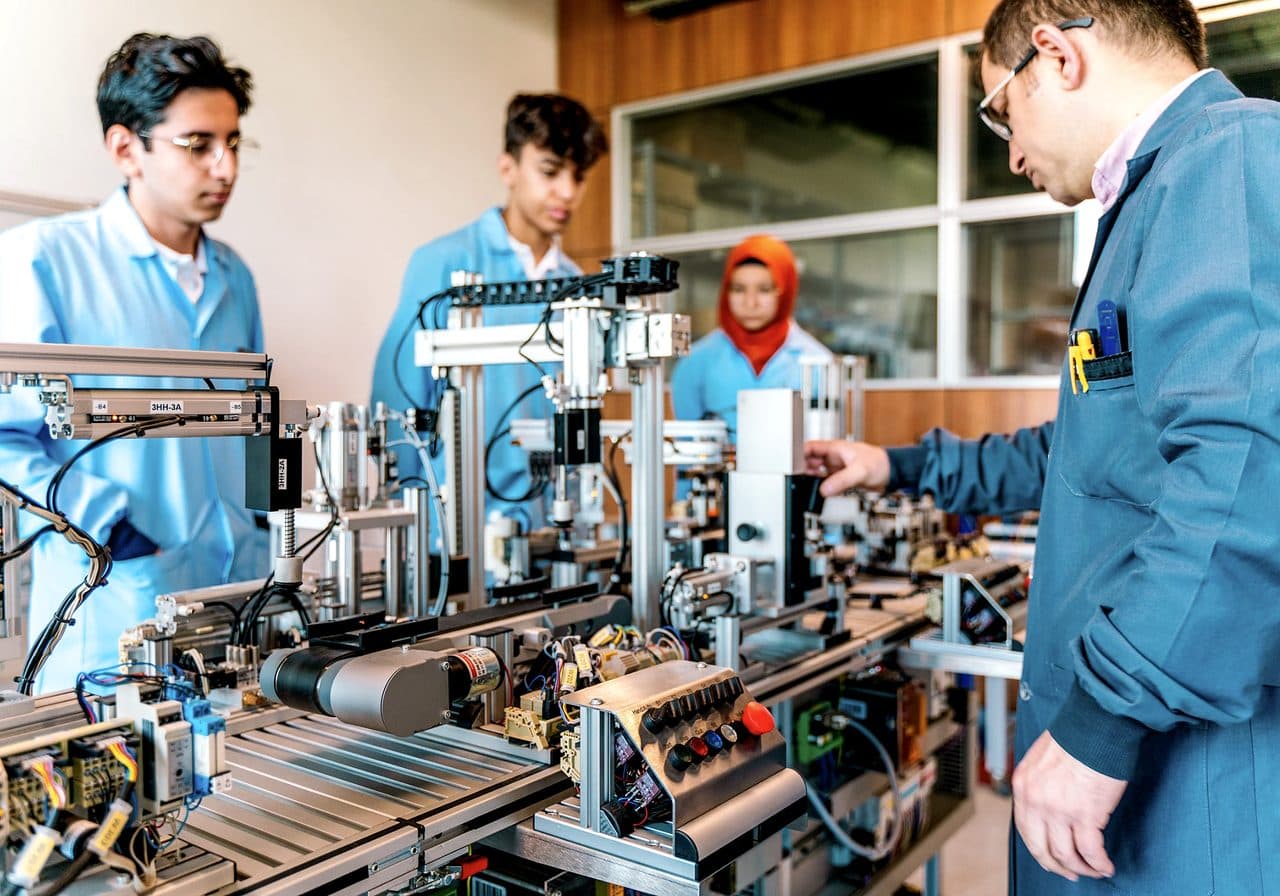
Workforce training, apprenticeships, and credential pathways for adults seeking employment, career change, or transition from public assistance in high-demand fields.
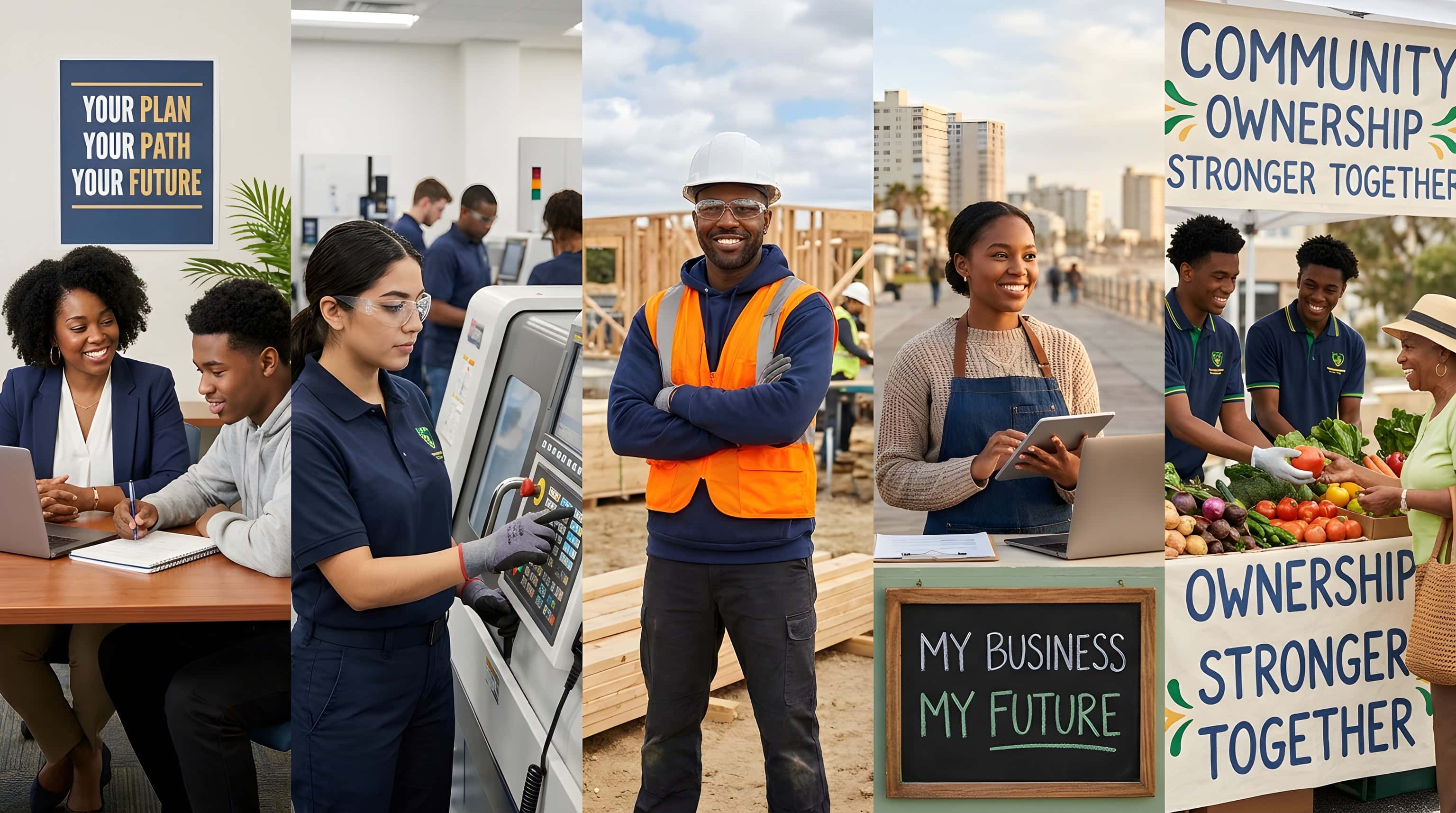
I Want Out of the Welfare System
From public assistance to the true middle class, through education, employment, entrepreneurship, paid work-based learning, and community ownership.
IWOWS, I Want Out of the Welfare System, is a national economic mobility initiative powered by Ideal Education. It helps public-assistance recipients and economically vulnerable families build middle-class capacity through education, paid work-based learning, employment, entrepreneurship, benefits transition planning, and community ownership.
Aligned with national priorities
Why IWOWS exists
Public assistance can be life-saving, but for many families the goal is stability, income, dignity, and ownership. Too often people are told to “get training” without the support to succeed. IWOWS builds the missing bridge.
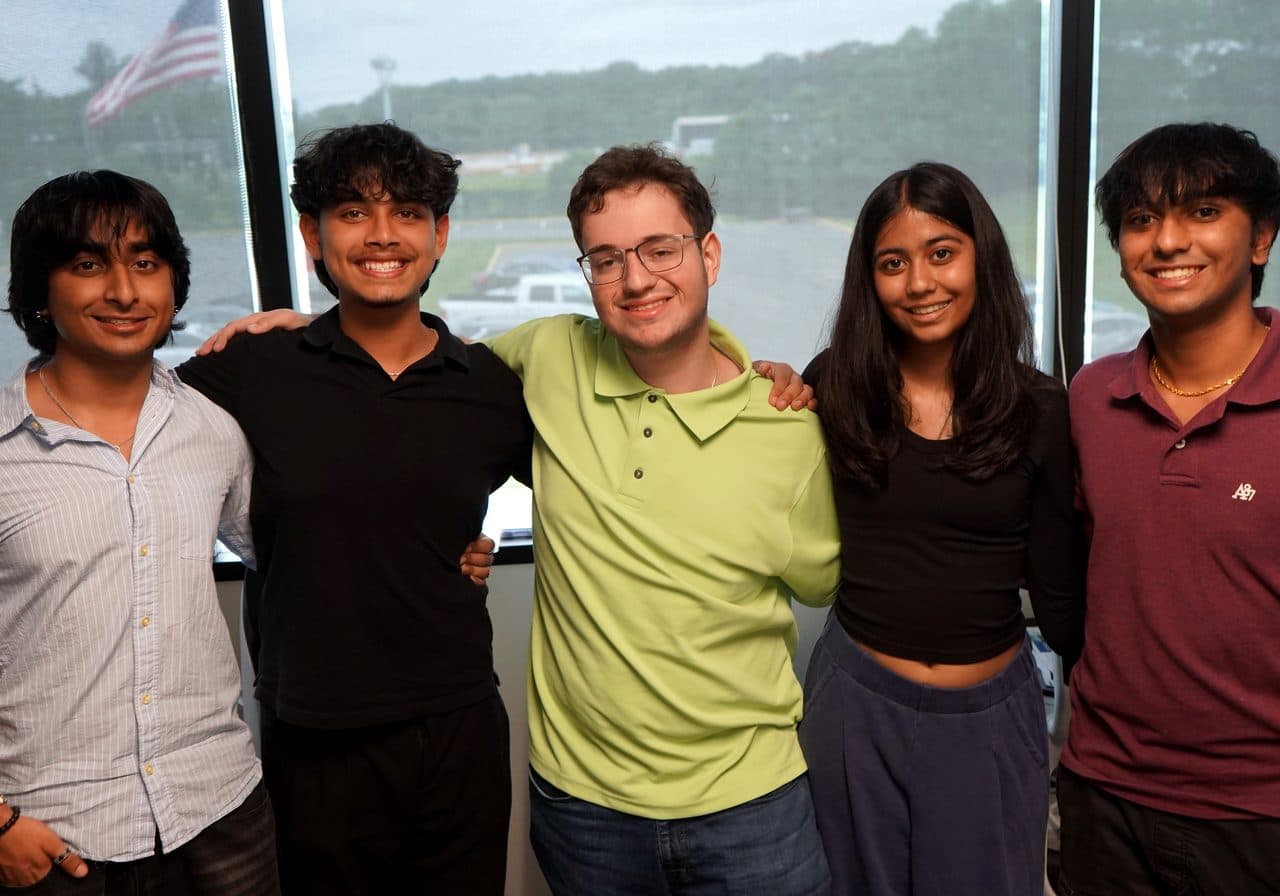
Public assistance should be a bridge during hardship. IWOWS builds the responsible pathway toward independence, no shame, no premature push off benefits.
People should not have to choose between learning and earning. Our paid work-based learning provides real income while participants build real skills.
Students and adults don't just study careers, they practice them through social enterprises, apprenticeships, community projects, and employer partnerships.
Learn · Earn · Work · Build · Own
Five connected stages that move a participant from new skills to lasting ownership, not five disconnected programs.
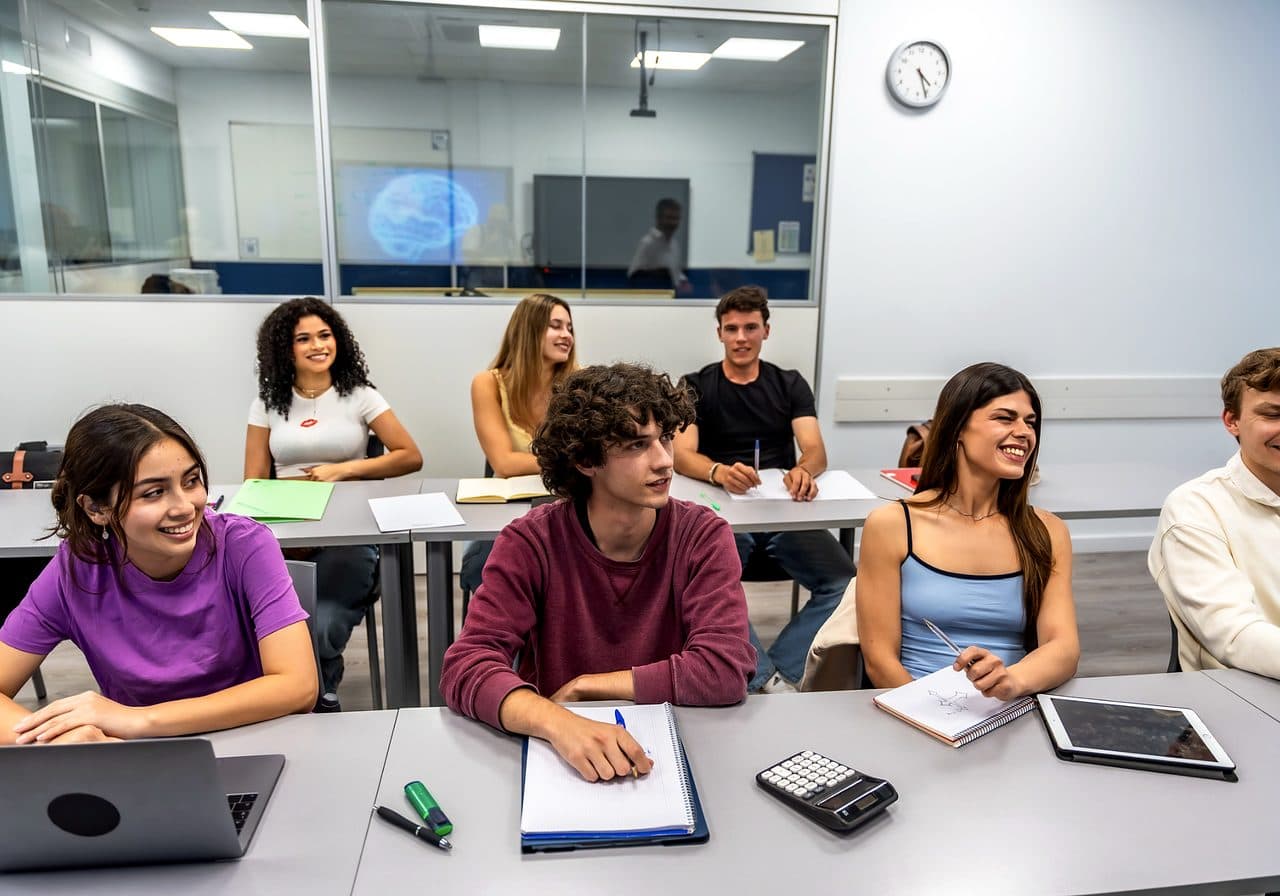
Participants gain academic, technical, digital, AI, career, financial, and entrepreneurial skills through K-12 CTE and adult workforce training.
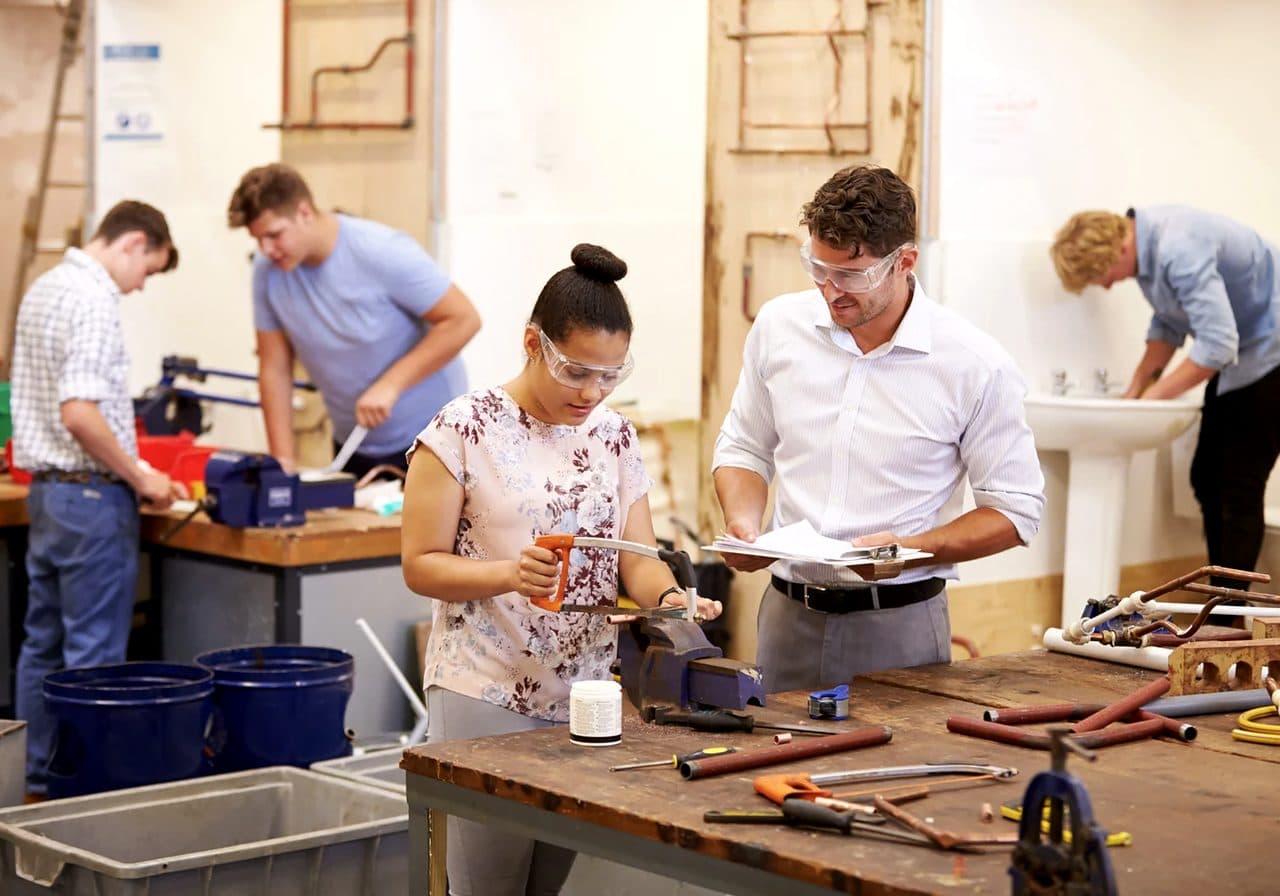
Paid work-based learning through social enterprises, internships, apprenticeships, cooperative roles, and supervised production labs, income while learning.
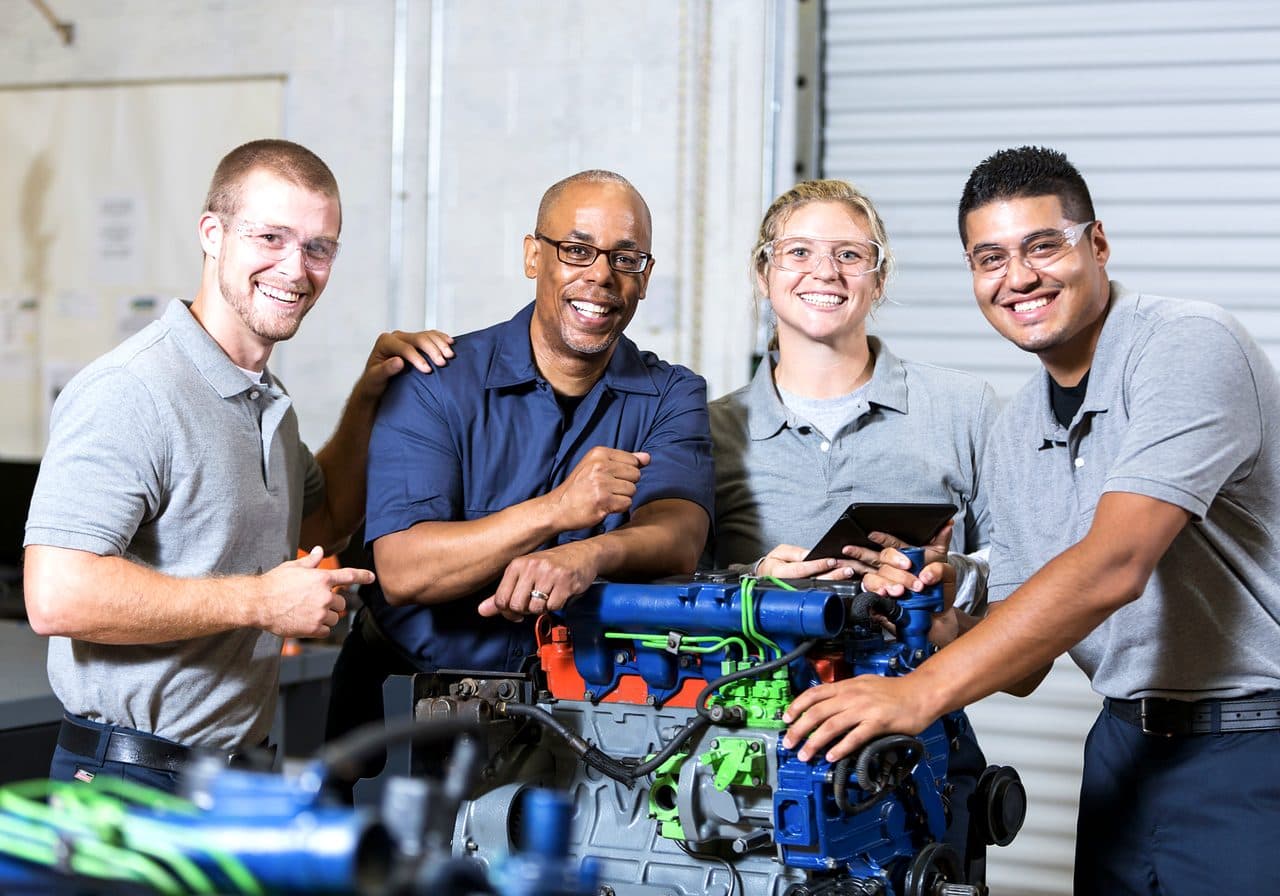
Participants transition into jobs, apprenticeships, contract and freelance work, social enterprise employment, or career advancement.

Support to launch small businesses, e-commerce ventures, contractor pathways, food businesses, AI-enabled services, and cooperative enterprises.
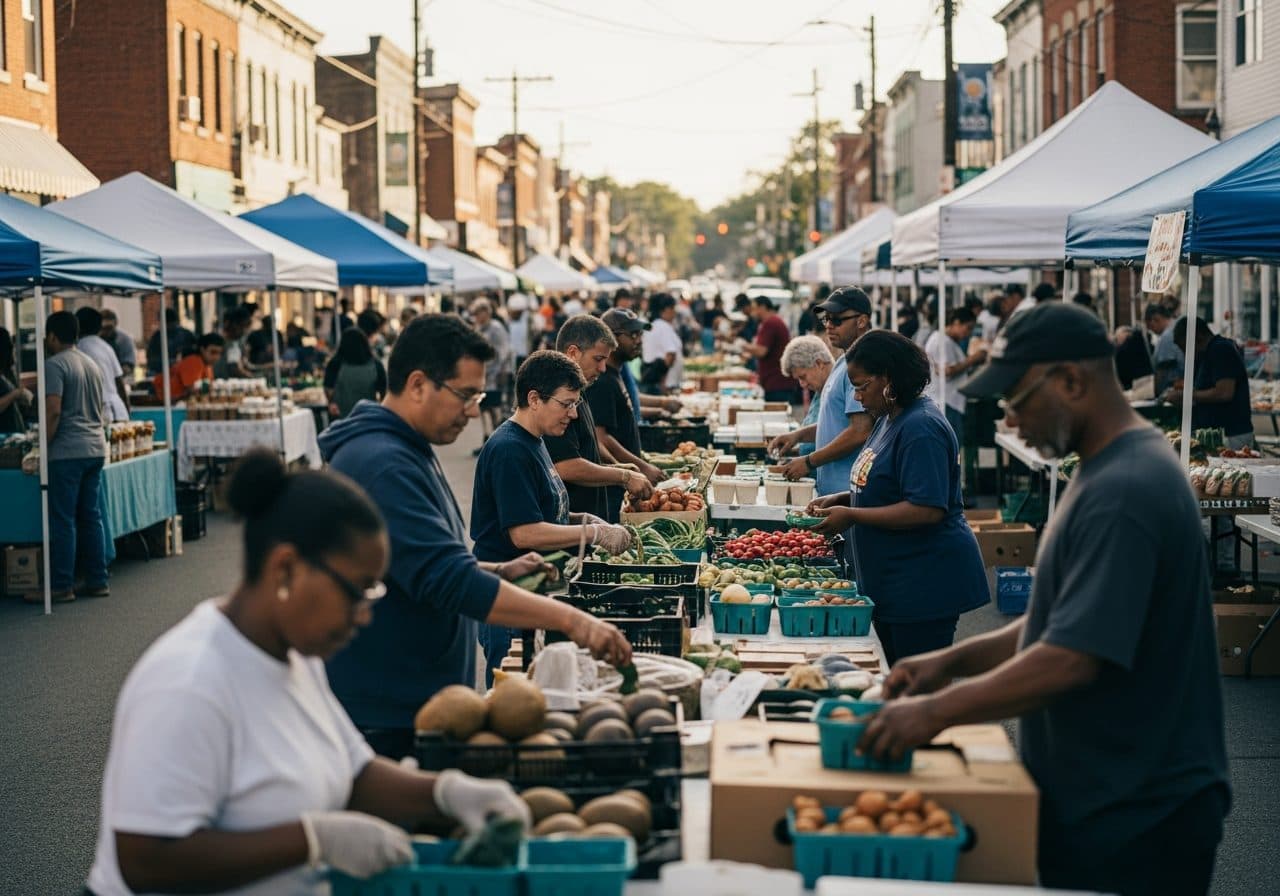
Participants and communities build ownership through entrepreneurship, worker-owned models, shared service platforms, and community-owned enterprises.
The Ideal ecosystem
IWOWS is powered by Ideal Education’s full ecosystem of education, workforce, social enterprise, technology, and cooperative initiatives.
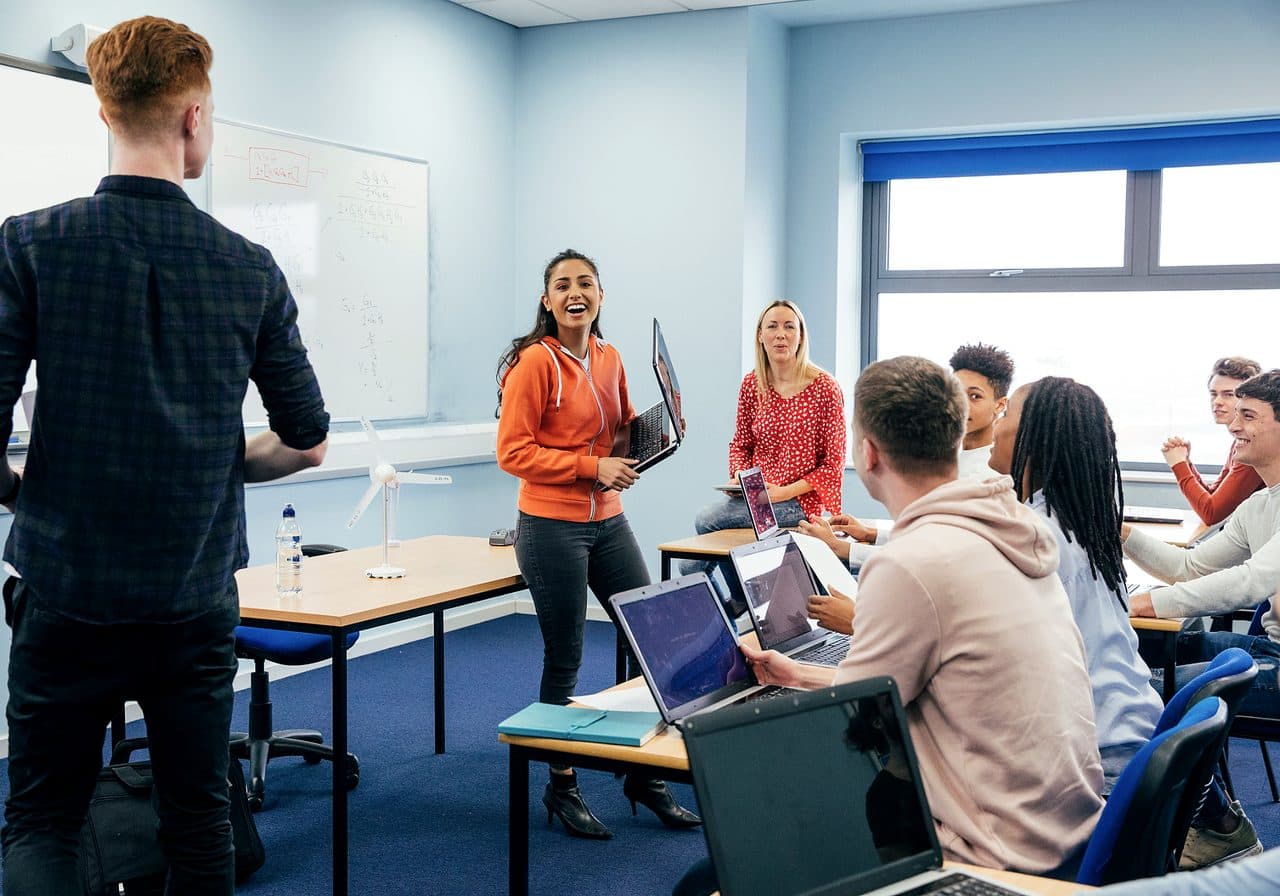
Workforce training, apprenticeships, and credential pathways for adults seeking employment, career change, or transition from public assistance in high-demand fields.
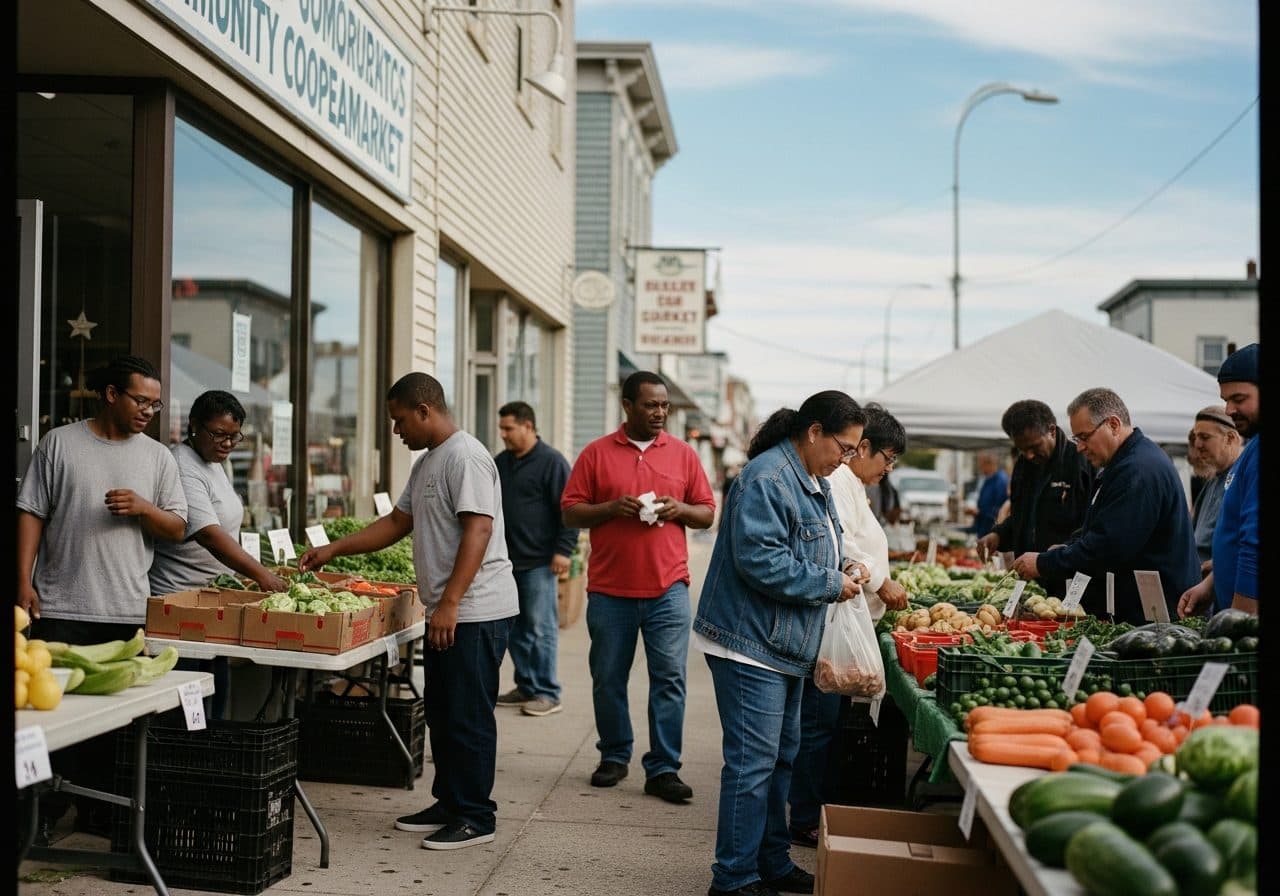
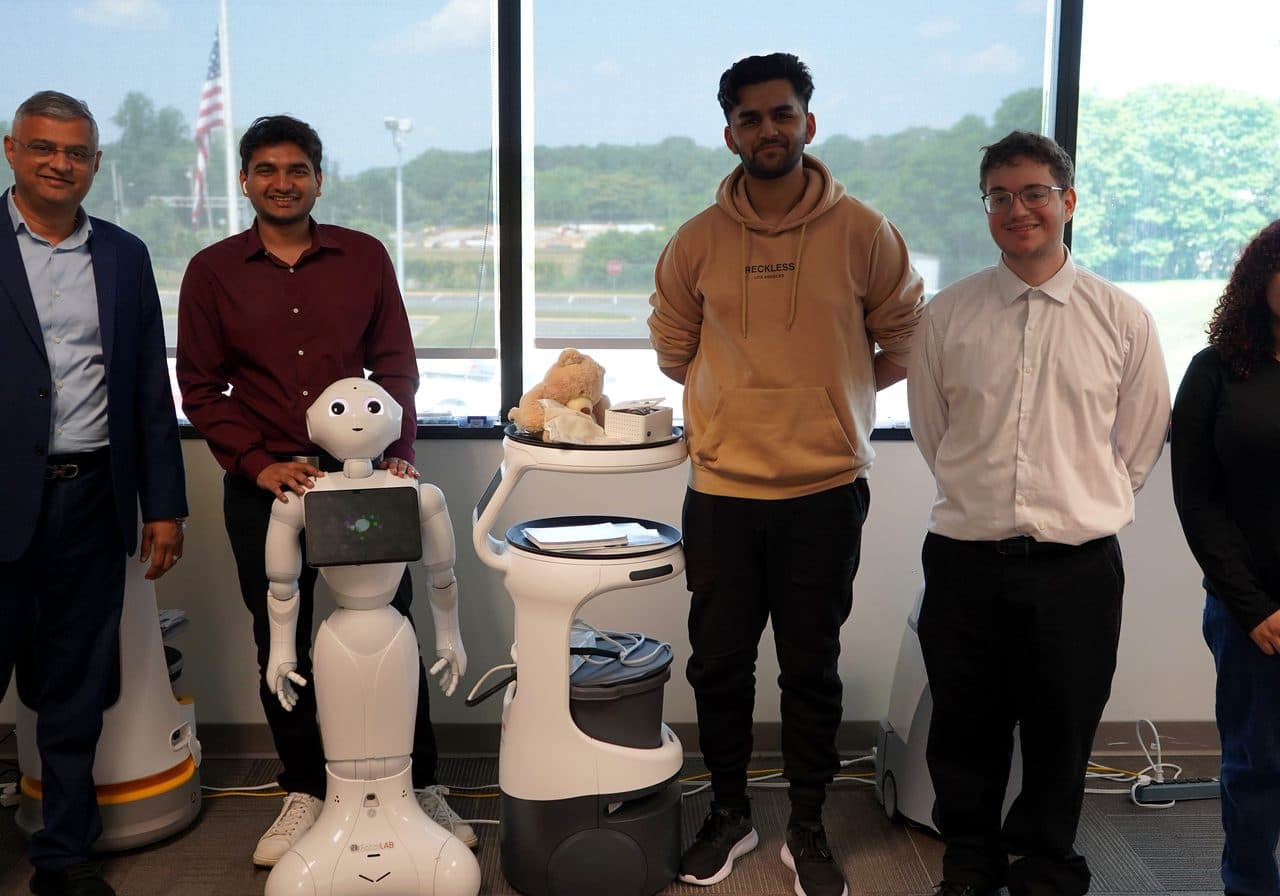
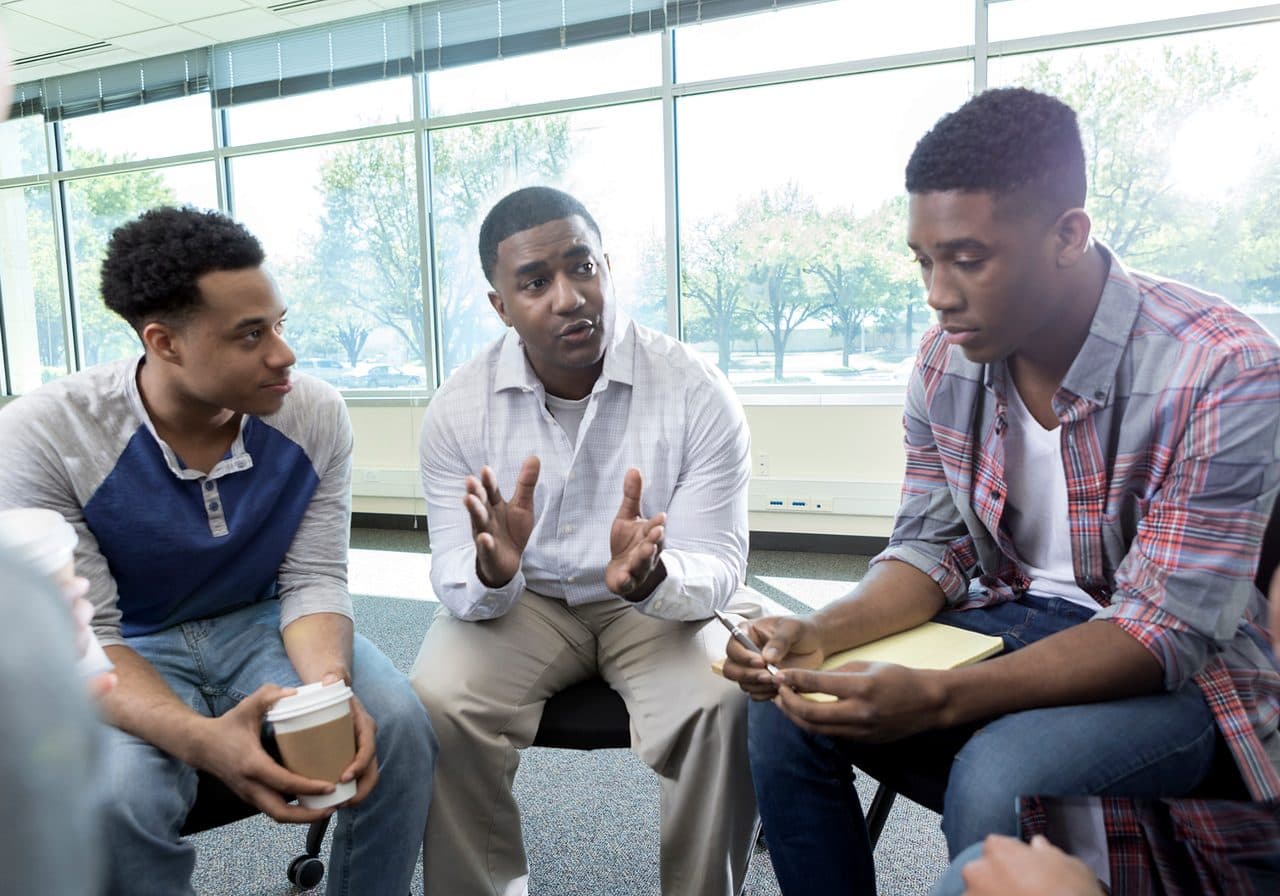
Who we serve
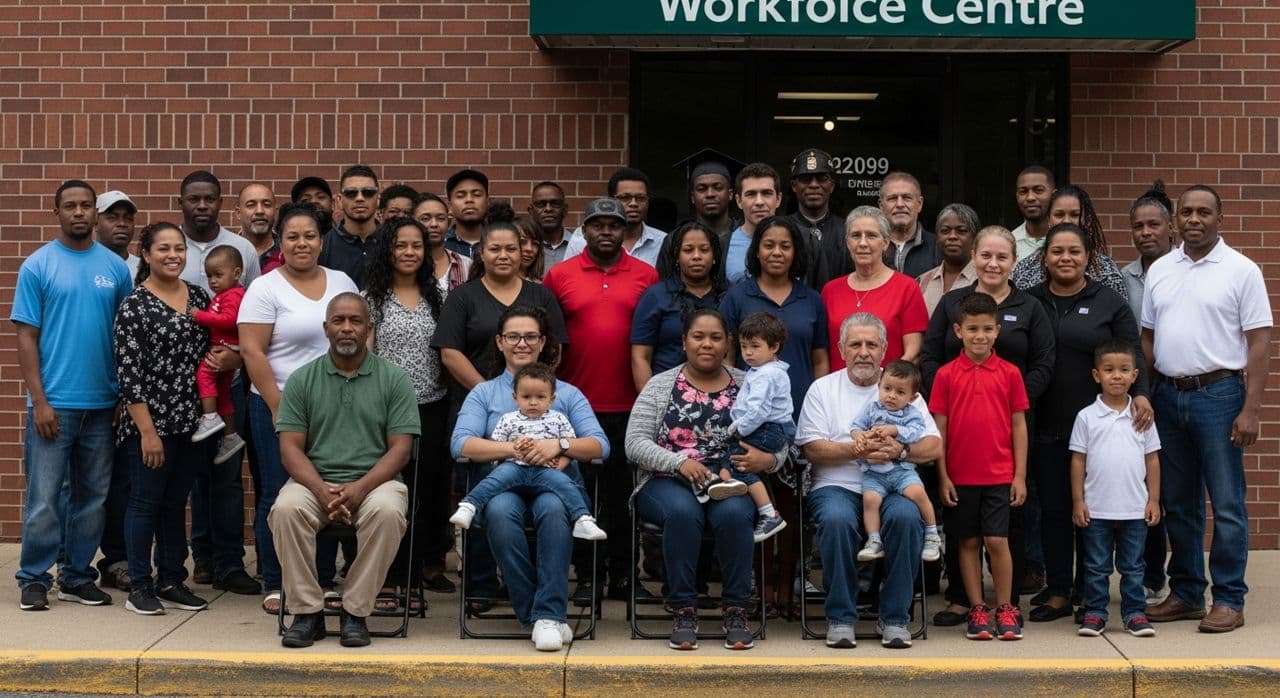
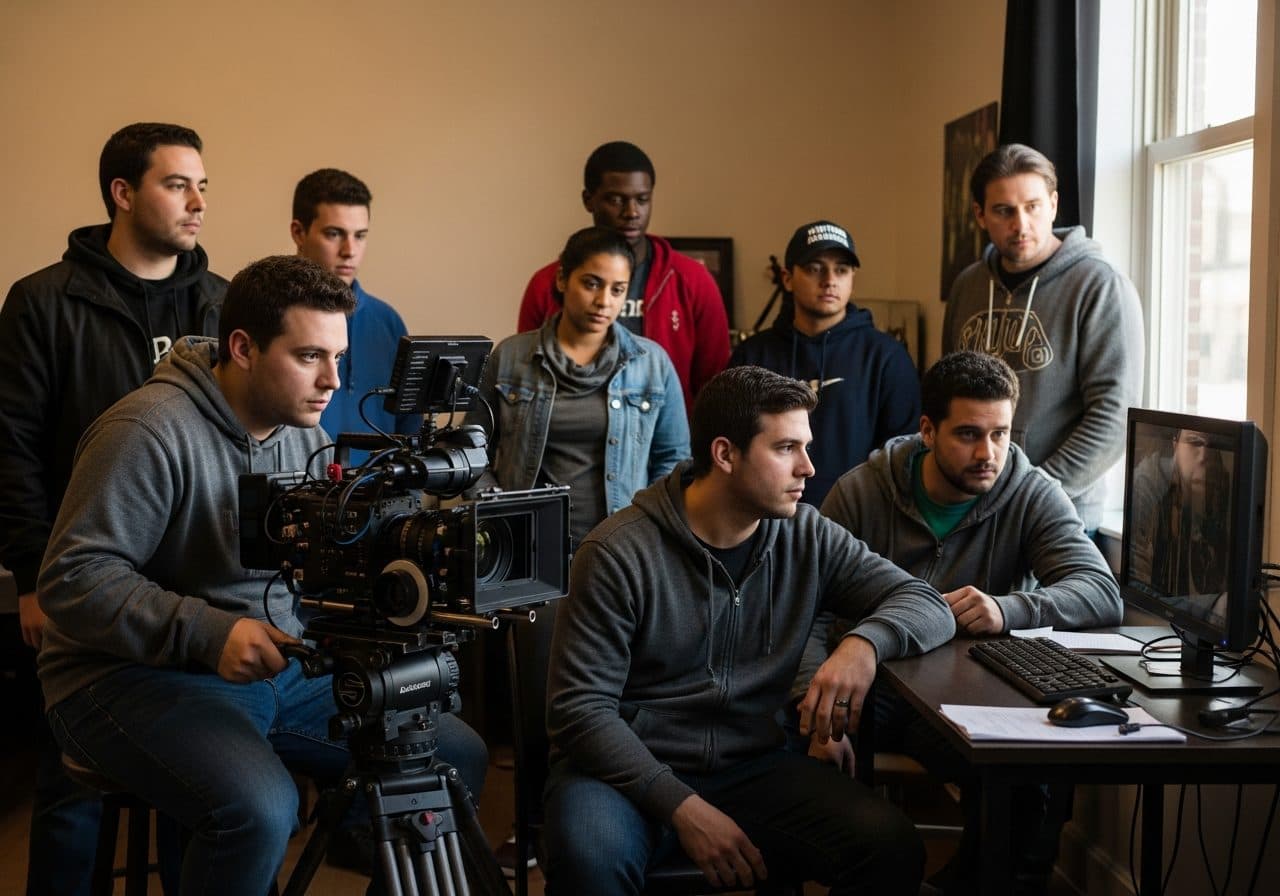
We serve individuals and families who want the skills, income, experience, support, and opportunity to enter the middle class.
For funders & policymakers
IWOWS offers a practical framework that aligns public and philanthropic priorities, and produces measurable economic mobility, not activity alone.
35.9M
Americans in poverty (10.6% rate, 2024)
Source: Census.gov
37.9M
People receiving SNAP (Feb 2026)
Source: USDA FNS
74.3M
Enrolled in Medicaid & CHIP (Mar 2026)
Source: CMS
12.9%
Supplemental Poverty Measure
Source: Census.gov
Core outcomes
Enrollment matters, but it is not enough. Every chapter tracks the same dashboard of mobility indicators, from credentials and paid work hours to businesses launched and families stabilized.
per participant
logged & paid
while learning
& retained
by participants
safely planned
engaged
toward middle class
A shared measurement framework, live figures are reported per chapter and cohort.
Help build the pathway
We invite funders, policymakers, employers, schools, and community leaders to help expand this model in New Jersey and beyond.